
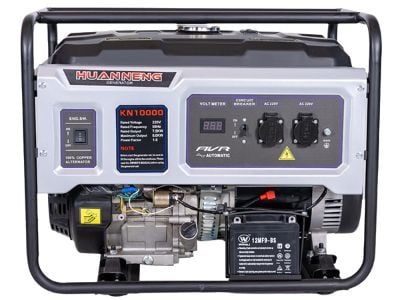
When selecting a generator supplier, understanding the warranty and after-sales support is crucial for ensuring reliability and peace of mind. The Generator Warranty and After-Sales Support: What to Look for in a Supplier is a vital consideration for purchasing managers and engineers alike. This article aims to help buyers navigate the key factors associated with silent generator warranties and after-sales services, ensuring they make informed decisions that align with their operational needs and budget constraints.
Key Considerations for Buyers
When evaluating generator suppliers, buyers should prioritize several key aspects related to warranty and after-sales support. First and foremost, the scope of the warranty is critical. Buyers should look for warranties that cover key components, such as the engine, alternator, and control systems, as well as the duration of coverage. A longer warranty period is often a sign of the manufacturer's confidence in their product quality.
Another crucial consideration is the availability of support services, including technical assistance and parts availability. Reliable after-sales support can significantly reduce downtime in case of malfunctions. Buyers should inquire about the supplier’s response times and whether they have local service centers or partnerships in their region.
Additionally, understanding the claims process for warranty services is essential. Suppliers should provide clear instructions on how to file a claim, what documentation is required, and the expected timeframe for resolution. Buyers should also assess the supplier's history of honoring warranty claims, as this reflects their commitment to customer satisfaction and product quality.
How to Evaluate After-Sales Support When Choosing a Generator Supplier?
Evaluating after-sales support involves several steps that go beyond just warranty terms. First, potential buyers should assess the supplier’s reputation in the marketplace. This can be done through customer reviews, testimonials, and case studies. Engaging with other businesses that have purchased from the supplier can provide insights into their service reliability and responsiveness.
Next, buyers should inquire about the training and expertise of the support staff. Knowledgeable technicians who understand the intricacies of the generators can provide more effective assistance, ultimately leading to quicker resolutions. Additionally, consider the availability of online resources, such as troubleshooting guides and instructional videos, which can empower users to handle minor issues independently.
It’s also beneficial to assess the supplier’s spare parts availability. A supplier that maintains a well-stocked inventory of parts can significantly reduce downtime in the event of a failure. Buyers should ask about lead times for replacement parts and whether expedited shipping options are available.
What to Look for in Generator Specifications and Warranty Coverage
When examining generator specifications, buyers should focus on several key performance metrics, such as power output, fuel efficiency, and operating noise levels. Understanding these specifications helps in assessing whether the generator will meet the intended application requirements. For instance, if the generator is to be used in a residential area, noise levels become a critical factor.
In terms of warranty coverage, buyers should ensure that the specifications align with the warranty terms. For example, if a generator has a high output but a limited warranty on the engine, this could signal potential risk. Buyers should seek warranties that cover specific performance-related aspects, such as fuel efficiency claims or maximum operational loads, to avoid discrepancies between expected and actual performance.
Additionally, potential buyers should consider the certification status of the generator. Products that meet international standards, such as CE or ISO certification, often indicate a higher level of quality assurance. Understanding the materials used in the manufacturing process can also provide insights into the expected durability and longevity of the best gas generators.
What Matters for Wholesale Buyers?
Wholesale buyers have unique considerations when it comes to generator warranties and after-sales support. Volume discounts and pricing structures are often at the forefront of negotiations. It's essential to clarify whether warranty terms apply to bulk purchases and if there are any special provisions for wholesale buyers.
Another key aspect for wholesale buyers is the ability to customize orders. They should discuss the options for branding, specific features, or configurations that meet their market demands. This could include modifications to inverter generator gas specifications or packaging methods that suit their distribution needs.
Furthermore, wholesale buyers should inquire about the supplier's production capacity. Understanding the manufacturer's ability to fulfill large orders consistently is crucial for maintaining inventory levels and meeting market demand. Buyers should also evaluate the supplier’s logistics capabilities, ensuring timely delivery schedules that align with their operational timelines.
Where to Source Quality Generators with Strong Warranty Offers?
For buyers looking to source quality generators, identifying reputable manufacturers is essential. Start by researching manufacturers known for their reliability and innovation in the generator market. Companies like Chongqing Kena Electromechanical Co., Ltd. exemplify high-tech manufacturing capabilities, producing gasoline and diesel generators that are CE and ISO certified, ensuring compliance with international quality standards.
Buyers should also attend industry trade shows and exhibitions, which provide opportunities to meet suppliers in person, see products firsthand, and discuss warranty and support offerings directly. Networking with industry peers can reveal reliable suppliers and provide insights into their experiences with various manufacturers.
Lastly, online platforms and marketplaces can be valuable resources for comparing different generator suppliers. Look for detailed product descriptions, warranty information, and customer reviews to assess the credibility of each manufacturer. When evaluating online options, ensure that the suppliers have a transparent return policy and robust customer service channels to address any post-purchase queries or issues.
Understanding the nuances of generator warranties and after-sales support is crucial for making informed purchasing decisions. By considering these factors, buyers can select a supplier that not only meets their immediate needs but also supports their long-term operational goals.
