
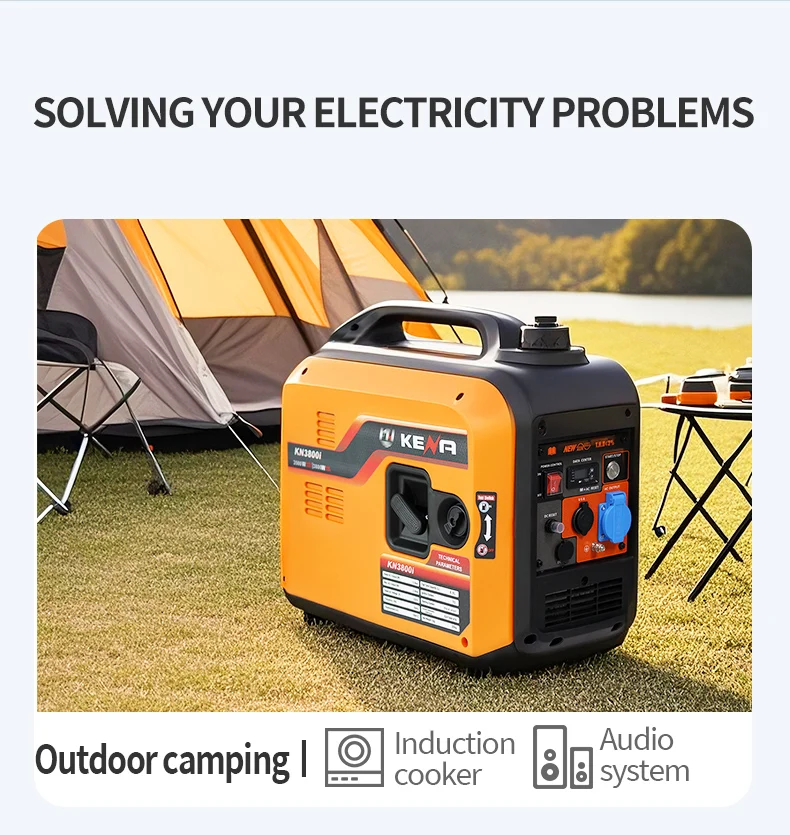
Portable power solutions play a crucial role in construction sites, providing the necessary electricity to power tools, lights, and equipment where access to the grid is limited. Selecting the right generator for construction can significantly impact productivity, safety, and operational efficiency. This article explores key considerations B2B buyers must assess when seeking a generator for construction projects, ensuring that they make informed decisions aligned with their project requirements.
What to Consider When Choosing a Generator for Your Construction Site
When selecting a generator for construction sites, several factors must be taken into account to ensure it meets the unique demands of the environment. First, consider the power output needed, typically measured in watts. Evaluate the total wattage of all tools and equipment that will be running simultaneously, including any surge requirements for equipment like saws and compressors.
Next, assess the mobility requirements of the generator. Construction sites often require generators to be moved frequently, so choosing a portable model with ergonomic handles and robust wheels is essential. Additionally, consider the fuel type gasoline or diesel based on availability and fuel efficiency. Diesel generator, while usually more expensive upfront, offer better fuel efficiency and longer run times, making them a practical choice for extended projects.
Environmental factors also play a role. Generators should be equipped with soundproofing features to minimize noise pollution, which can be crucial for compliance with local regulations. Moreover, ensure that the generator is built to withstand harsh weather conditions, with features like weatherproof enclosures or protective coatings.
Top Specifications to Evaluate in Portable Power Solutions for Builders
When evaluating portable generators, several specifications should be prioritized to ensure they align with your operational needs:
Power Rating: Look for continuous and peak wattage ratings. Continuous wattage indicates what the generator can sustain, while peak wattage shows the maximum output for short durations. Ensure the generator's continuous rating exceeds the total wattage of your tools.
Run Time: This specification indicates how long a generator can operate on a full tank of fuel at a given load. A longer run time reduces the frequency of refueling, which is beneficial for ongoing projects.
Portability Features: Assess the weight, wheel design, and handle construction. A generator with a robust design that allows for easy maneuvering across uneven terrain is ideal for construction sites.
Noise Level: Measured in decibels (dB), choose a generator that operates at a level compliant with local noise ordinances, especially in residential areas.
Safety Features: Look for generators equipped with features such as automatic shutoff when oil levels are low, circuit breakers, and ground fault circuit interrupters (GFCI) to enhance user safety.
Understanding these specifications is critical for making a suitable choice that aligns with operational demands and safety regulations.
Sourcing Reliable Generators for Projects
Sourcing reliable generator involves considering both the supplier’s reputation and the product's quality. Start by researching manufacturers known for their engineering excellence and robust quality control processes. Ideally, select a supplier with CE and ISO certifications, which indicate adherence to international quality standards.
Request product samples or specifications to evaluate before making bulk purchases. It’s advisable to confirm the generator’s performance in real-world conditions or through customer testimonials. Additionally, inquire about warranty terms and after-sales support. A reputable supplier should offer comprehensive warranty coverage and accessible customer service for troubleshooting and maintenance needs.
Consider establishing relationships with multiple suppliers to diversify your sourcing options. This approach can lead to better pricing, available stock, and flexibility in delivery times, which is vital for meeting project deadlines.
Common Problems with Construction Generators and Effective Solutions
Construction generators can encounter several common issues that may affect their reliability and performance:
Fuel Quality: Poor fuel can lead to engine problems. Always use high-quality fuel and consider adding a fuel stabilizer, especially if the generator will sit unused for extended periods.
Overloading: Running equipment beyond the generator's capacity can cause overheating and damage. Ensure that the combined wattage of tools does not exceed the generator’s rated output.
Lack of Maintenance: Neglecting routine maintenance can lead to failures. Regularly check oil levels, change filters, and inspect fuel lines to keep the generator in optimal condition.
Weather Damage: Exposure to rain or extreme temperatures can impact performance. Utilize weatherproof covers and store generators in sheltered areas when not in use.
By proactively addressing these issues, you can enhance the reliability and efficiency of your portable power solutions on site.
Benefits of High-Quality Generators in Construction Applications and Projects
Investing in high-quality generators offers numerous benefits that can significantly impact construction project outcomes:
Reliability: High-quality generators are designed to withstand the rigors of construction environments, reducing downtime and ensuring continuous power supply.
Efficiency: Advanced engine technology in premium models often translates to better fuel efficiency and lower operational costs over time, which is important for budgeting in large projects.
Longevity: Durable construction and superior materials typically found in high-quality gas generators result in longer lifespans, providing better value for investment through reduced replacement frequency.
Enhanced Safety: Quality generators come equipped with safety features that minimize hazards on the job site, protecting both workers and equipment.
Support and Service: Established manufacturers often provide comprehensive support, including training and troubleshooting, which can be invaluable for operational efficiency.
In summary, choosing a high-quality generator for construction sites not only facilitates smooth operations but also contributes to overall project success. By considering product specifications, sourcing reliable suppliers, and being aware of common issues, buyers can make strategic decisions that enhance productivity and safety in their construction projects.
Table of Contents
- What to Consider When Choosing a Generator for Your Construction Site
- Top Specifications to Evaluate in Portable Power Solutions for Builders
- Sourcing Reliable Generators for Projects
- Common Problems with Construction Generators and Effective Solutions
- Benefits of High-Quality Generators in Construction Applications and Projects
