
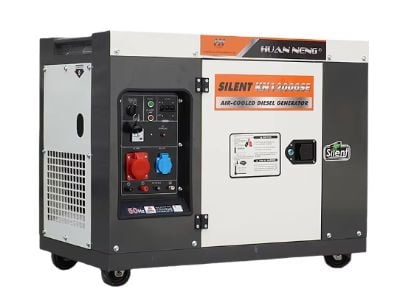
When considering the purchase of generators from a Chinese manufacturer, understanding generator lead times is crucial for B2B buyers. Factors such as production capacity, material selection, and order specifications can significantly impact delivery schedules. This article aims to clarify what to expect regarding generator lead times when ordering from a Chinese manufacturer, providing valuable insights for purchasing managers, distributors, and engineers.
What to Expect for Generator Lead Times When Ordering Wholesale
Generator lead times can vary widely based on several factors. Typically, lead times for generators manufactured in China range from four to twelve weeks. However, the actual time frame can be influenced by the complexity of the order, customization requirements, and the manufacturer’s production capacity.
For a standard order of gasoline or diesel generator, one can expect a lead time of about six to eight weeks if the products are in stock and no customization is required. However, for custom-built generators tailored to specific applications, lead times may extend to ten weeks or longer. It is advisable for buyers to communicate their expected delivery timeline when placing an order to ensure that the manufacturer can meet their requirements.
Where to Find Reliable Suppliers for Generators in China
Finding a reliable supplier is essential for ensuring quality and timely delivery. Buyers should consider several avenues for sourcing manufacturers, including:
Trade Shows: Events like the Canton Fair and other industry-specific exhibitions are excellent opportunities to meet manufacturers, inspect products, and evaluate production capabilities.
Online Marketplaces: Platforms such as Alibaba and Global Sources allow buyers to browse suppliers and read reviews from other customers. It's important to check for certifications such as ISO and CE to ensure compliance with international standards.
Industry Associations: Connecting with industry associations or trade groups can provide referrals to reputable manufacturers with a track record of reliability.
Before finalizing a supplier, it is advisable to conduct a factory audit or request product samples to evaluate quality and manufacturing processes firsthand.
Cost Factors That Impact Generator Lead Times and Pricing
Several cost factors can influence both the lead time and pricing of petrol generator. Buyers should be aware of the following elements:
Material Costs: Fluctuations in the prices of raw materials, such as steel or engine components, can affect overall pricing and, consequently, production schedules.
Customization: Custom features or specifications typically require additional time for design and manufacturing, which can extend lead times and increase costs.
Order Volume: Larger orders may benefit from economies of scale, potentially reducing unit costs but requiring longer lead times if the production capacity is stretched.
Shipping Logistics: The choice of shipping method (e. g., sea freight vs. air freight) can also impact delivery timelines. Sea freight is more cost-effective but takes longer, while air freight is quicker but significantly more expensive.
It is crucial for buyers to factor in these cost elements when negotiating with suppliers to avoid unexpected delays or charges.
Best Practices for Your Generator Purchase
To streamline the purchasing process and ensure a smooth experience, consider the following best practices:
Define Specifications Clearly: Provide detailed specifications, including model types, dimensions, and required features. Clear communication can prevent misunderstandings and production delays.
Request Samples: Before placing a bulk order, ask for samples to verify quality, dimensions, and performance. This step is vital to avoid issues during mass production.
Establish a Quality Control Process: Implement quality checks at various production stages. Establishing a clear inspection protocol helps to ensure that the final products meet your standards.
Negotiate Terms Upfront: Clarify payment terms, delivery schedules, and penalties for late delivery before signing an agreement. This transparency can help mitigate risks associated with order fulfillment.
By following these best practices, buyers can enhance their purchasing efficiency and reduce the likelihood of complications.
Common Problems with Generator Orders and Their Solutions
While ordering generators, buyers may encounter several common issues. Understanding these problems and their solutions can lead to a more successful purchasing experience:
Production Delays: Unexpected delays can occur due to equipment breakdowns or material shortages. To mitigate this risk, maintain open communication with the supplier and inquire regularly about production progress.
Quality Issues: Variability in product quality can arise from inconsistent manufacturing practices. Implementing a robust quality inspection process can help identify issues early and address them before shipment.
Miscommunication: Language barriers or misunderstandings regarding specifications can lead to incorrect orders. To overcome this, consider using clear diagrams or technical drawings, and confirm all details through written communication.
Logistics Challenges: Shipping delays can occur due to customs clearance or transportation issues. Working with a reliable logistics partner and planning for potential customs delays can help ensure timely delivery.
By being proactive and addressing these common problems, buyers can navigate the complexities of ordering gas powered electric generator from Chinese manufacturers more effectively.
