
How to Choose the Best Inverter Generator for Clean Home Backup Power?
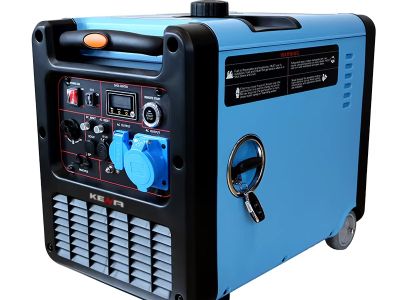
Choosing an inverter generator for home backup power can be easier when you know which features matter most. With many options available, homeowners need to consider power output, fuel efficiency, noise, portability, safety, and overall performance. Kena offers inverter generators designed to provide reliable power when it is needed most, whether during a storm, unexpected power outage, or a situation where additional electricity is required.
Unlike conventional generators, an inverter generator produces stable electricity that can be suitable for sensitive electronics. Its compact design and quieter operation can also make it practical for residential use. By understanding the important features before purchasing, homeowners can choose equipment that matches their power requirements and daily needs.
What to Look for in a High-Quality Inverter Generator for Home Backup Power?
When selecting an inverter generator, start by checking its power output. Think about which appliances you may need during a power outage. A refrigerator, lights, fans, router, television, and other household devices all require different amounts of electricity. Add their expected wattage together and choose a generator with enough capacity to handle the total load comfortably.
Fuel efficiency is another important consideration. A generator that can operate for longer periods on less fuel can be more convenient during extended outages. Some models include an eco-mode that automatically adjusts engine speed according to the electrical demand. When only a few devices are running, the generator can reduce fuel consumption instead of operating at maximum output continuously.
Noise level should also be considered when selecting equipment for residential areas. An inverter generator is generally designed to operate more quietly than many conventional generators. However, noise levels vary between models, so check the manufacturer's stated decibel rating before purchasing. A quieter model can be especially useful when the generator needs to operate near living spaces or during nighttime.
Portability is another useful feature. If you expect to move the gas inverter generator between storage areas, outdoor spaces, or different locations, look for a model with a manageable weight, wheels, or convenient handles. Safety features are equally important. Functions such as overload protection, low-oil shutdown, and temperature protection can help reduce the risk of equipment damage.
Finally, consider product reviews, warranty coverage, maintenance requirements, and customer support. A generator is an important backup investment, so buyers should consider more than the initial purchase price. Kena provides different generator options that can help homeowners select equipment according to their power requirements and intended applications.
How to Select the Best Inverter Generator for Clean Energy Solutions?
Selecting an inverter generator for a more efficient backup power solution involves looking at how effectively the machine uses fuel. One useful feature is an economy or eco-mode. This allows the generator to adjust its engine operation based on the electrical load. When fewer appliances are connected, the generator may operate at a lower output, which can help reduce unnecessary fuel consumption.
Emissions are another consideration for homeowners. Fuel-powered generators still produce exhaust, so they should always be operated outdoors in a properly ventilated location and away from doors, windows, and other openings. Buyers should also check applicable emissions standards and manufacturer instructions before purchasing or operating a unit.
Maintenance should not be overlooked. Regular oil changes, air-filter inspections, spark-plug checks, and general cleaning can help maintain generator performance. A model with accessible maintenance points and clear instructions can make routine servicing easier for homeowners.
Some users may also be interested in combining generator backup with renewable energy systems. Depending on the specific equipment, a home energy setup may incorporate solar panels, battery storage, or other power sources. However, compatibility should always be confirmed with the manufacturer before connecting different electrical systems. The goal is to select a backup solution that provides dependable electricity while using fuel efficiently. By comparing capacity, operating efficiency, maintenance needs, and available features, homeowners can make a more informed decision.
Where to Find Top Wholesale Inverter Generators for Home Use?
Finding the right inverter generator at a competitive price requires comparing several purchasing options. Local hardware and home improvement stores can be useful because buyers can examine different models in person. Store staff may also provide information about generator capacity, features, accessories, and maintenance requirements.
Online suppliers provide another convenient option. Buyers can compare specifications, prices, customer reviews, warranty information, and delivery options without visiting multiple stores. When purchasing online, it is important to check the seller's reputation and confirm that the product specifications match the manufacturer's information.
Wholesale purchasing can be especially useful for contractors, businesses, property managers, or organizations that need multiple units. Buying several generators may provide better pricing, but buyers should also consider shipping costs, warranty coverage, spare parts, and after-sales support. The lowest unit price is not always the best overall value.
Trade shows and industry events can also help buyers learn about different generator technologies. These events may provide opportunities to compare products, ask manufacturers questions, and understand new developments in portable power equipment.
For buyers considering Kena products, comparing available models based on power output, fuel consumption, operating noise, portability, and safety features can help identify a suitable option. Taking time to compare specifications before placing a wholesale order can reduce the possibility of purchasing equipment that does not meet the intended application.
What Are the Benefits of Choosing an Inverter Generator for Clean Backup Power?
An inverter generator can provide several useful benefits for residential backup applications. One of the most important is stable electrical output. Inverter technology is designed to produce consistent electricity, which can make these generators suitable for electronics such as computers, televisions, networking equipment, and mobile-device chargers. Another advantage is relatively quiet operation.
Conventional generators may produce considerable engine noise, while inverter models can use variable engine speeds and enclosed designs to reduce operating sound. This can make them more comfortable for residential environments, particularly when people need to continue normal activities during an outage. Fuel efficiency can also be an advantage. When the electrical load is low, many inverter generator petrol can reduce engine speed rather than operating continuously at full capacity. This can help conserve fuel and extend operating time between refueling.
Portability is another reason homeowners choose this type of generator. Many models are designed to be smaller and lighter than larger conventional units. This makes them useful for backup power as well as outdoor activities where portable electricity is needed. However, users should remember that generators must be operated safely. A fuel-powered generator should never be used indoors, inside a garage, or in another enclosed space because exhaust gases can accumulate. Always follow the manufacturer's operating instructions and local safety requirements. For households that need dependable temporary electricity, the combination of stable output, portability, quieter operation, and fuel efficiency makes an inverter generator a practical backup option.
What to Know About Noise Levels When Choosing an Inverter Generator for Home Use?
Noise is an important factor when selecting an inverter generator for residential use. Generator sound is commonly measured in decibels, or dB. A lower decibel rating generally means quieter operation, although the actual sound experienced by users can also depend on distance, surroundings, load, and installation conditions. For example, a generator operating around 50 dB will generally be much quieter than one operating around 70 dB. Buyers should check the manufacturer's published noise rating and determine the conditions under which that measurement was recorded. Placement also affects how noticeable the generator sounds. Even a relatively quiet model can become disruptive if positioned too close to windows, doors, bedrooms, or neighboring properties.
The generator should be placed outdoors in an appropriate location that follows the manufacturer's clearance and ventilation requirements. Noise-reduction features can include insulated enclosures, optimized engine operation, and variable-speed technology. An inverter generator gas with an eco-mode can often reduce engine speed when the electrical demand is low, which may also reduce operating noise.
Before purchasing, homeowners should consider when they are most likely to use the equipment. If the generator may operate overnight during an extended outage, a quieter model can provide a more comfortable environment. Comparing decibel ratings, power capacity, fuel efficiency, portability, and safety features together will help buyers select a generator that provides reliable backup electricity without creating unnecessary disturbance.
Table of Contents
- What to Look for in a High-Quality Inverter Generator for Home Backup Power?
- How to Select the Best Inverter Generator for Clean Energy Solutions?
- Where to Find Top Wholesale Inverter Generators for Home Use?
- What Are the Benefits of Choosing an Inverter Generator for Clean Backup Power?
- What to Know About Noise Levels When Choosing an Inverter Generator for Home Use?
