
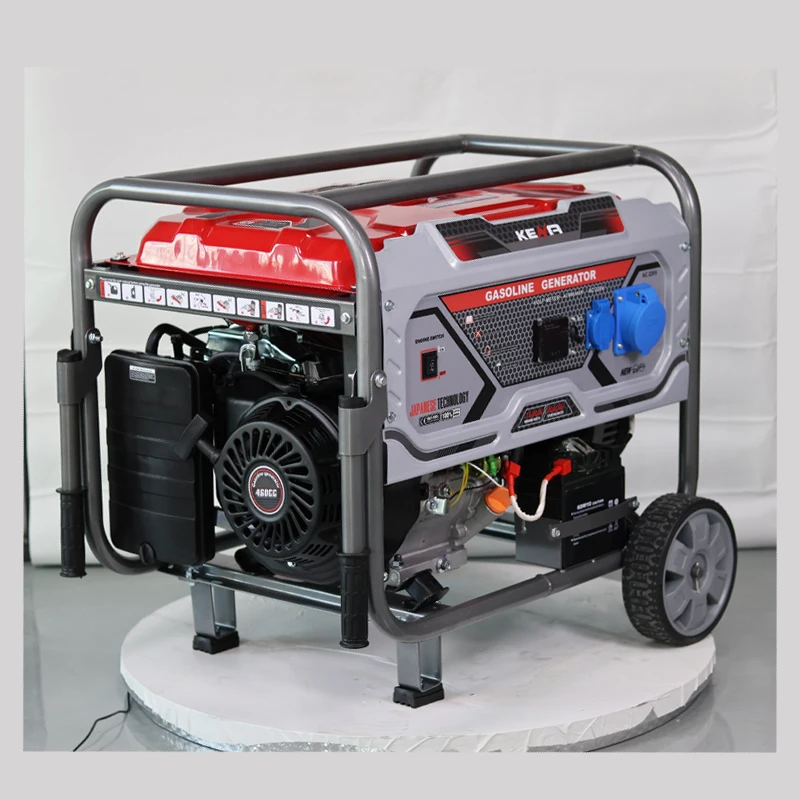
When it comes to purchasing a cheap petrol generator, understanding the balance between cost and quality is crucial. These generators can serve as a reliable power source for various applications, but potential buyers often have concerns about reliability, performance, and long-term value. This article will help you navigate these considerations by exploring when a cheap petrol generator is a smart investment, key specifications to evaluate, how to find reliable suppliers, common problems associated with budget generators, and tips for setting up your generator correctly.
Understanding When a Cheap Petrol Generator is a Smart Investment
A cheap petrol generator can be a sensible choice for specific applications, particularly when budget constraints are a primary concern. For example, small businesses or individual contractors may only need temporary power for tools or equipment, making a lower-cost option more appealing. Additionally, events like outdoor festivals or emergency situations might require a temporary power solution without the need for a high-end generator.
However, it's essential to recognize the limitations that often accompany budget generators. While they can offer an initial cost advantage, buyers should consider the potential for increased maintenance costs and reduced longevity. Low-cost models may not perform well under heavy loads or in demanding conditions, leading to potential downtime that can be more expensive than the savings realized during the initial purchase. Evaluating the generator's intended use will help determine if a cheap petrol generator is the right investment.
Key Specifications to Evaluate in Budget-Friendly Generators
When considering a cheap petrol generator, several key specifications should be assessed to ensure it meets your operational needs:
Power Output: This is typically measured in watts and determines the number and type of devices that can be powered simultaneously. Evaluate your requirements carefully; a generator with insufficient output can lead to overloads and operational failures.
Fuel Efficiency: Look for generators that offer good fuel consumption rates. A generator that consumes less fuel will save costs in the long run, especially if it will be used frequently.
Portability: If you need to move the generator frequently, consider its weight and design features like wheels or handles. A heavier generator may not be practical for frequent relocation.
Noise Level: Generators can be noisy, so checking the decibel rating will help you gauge its suitability for residential areas or noise-sensitive environments. Models designed with sound-dampening technology can offer quieter operation.
Build Quality: Assess the materials used in construction. Generators with durable frames and components will withstand wear and tear better than those made from lower-quality materials.
Safety Features: Look for generators equipped with features such as automatic shutoff systems to prevent overheating or low oil levels, as these can protect both the generator and the devices connected to it.
Understanding these specifications can help you avoid common pitfalls and ensure that your chosen generator provides reliable service at a reasonable cost.
Finding Reliable Suppliers for Generators
Identifying a trustworthy supplier is critical when purchasing a cheap petrol generator. Here are some steps to ensure you partner with a reliable manufacturer:
Research the Supplier's Reputation: Look for reviews and testimonials from previous customers. Established manufacturers like Chongqing Kena Electromechanical Co., Ltd., known for their high-tech production of generators, can often provide insights into product quality and customer service.
Check Certifications: Ensure that the supplier's products are certified for quality and safety, such as CE and ISO certifications. This can indicate adherence to international standards and enhance confidence in product reliability.
Evaluate Their Product Range: A supplier with a diverse range of generators may be better equipped to meet specific needs and can offer customization options based on unique requirements.
Ask About Warranty and Support: A good warranty period and responsive customer support can be indicators of a supplier's confidence in their products. This is particularly important for budget models that may require more frequent maintenance.
Request Samples: Before committing to a bulk purchase, request samples to evaluate build quality and performance firsthand. This can help identify any potential issues before they arise in larger orders.
By following these steps, you can find a supplier that meets your needs and offers a reliable product.
Common Problems with Cheap Generators and Their Solutions
While cheap petrol generators can serve various purposes, they often come with common issues that buyers should anticipate:
Frequent Breakdowns: Budget generators may not be built to withstand heavy use, leading to frequent failures. Regular maintenance, such as oil changes and air filter replacements, can help mitigate this risk.
Inefficient Fuel Usage: Some budget models may consume more fuel than anticipated. Conducting a fuel efficiency test during initial use can help identify models that offer better performance.
Limited Power Output: Many cheap generators may struggle to provide sufficient power for higher-demand equipment. Always check the manufacturer's specifications to ensure the generator meets your power requirements.
Noise Issues: Operating at high noise levels can be problematic in residential areas or noise-sensitive environments. Investing in noise-reducing accessories or selecting a model designed for quieter operation can alleviate this concern.
Short Lifespan: The use of inferior materials in cheaper models can lead to a shorter lifespan. When choosing a generator, consider the reputation of the manufacturer and the quality of materials used in the construction.
Understanding these potential challenges allows buyers to make informed decisions and address issues proactively.
Setting Up Your Budget Petrol Generator Correctly
Proper setup of your smallest petrol generator is vital to ensure optimal performance and longevity. Here are some key considerations:
Location: Ensure the generator is placed in a well-ventilated area, away from flammable materials. Adequate airflow is crucial to prevent overheating.
Level Surface: The generator should be placed on a flat, stable surface to avoid issues with fuel flow and to ensure safe operation.
Grounding: Ensure the generator is properly grounded, which can prevent electrical shocks and enhance safety during operation.
Load Management: Gradually increase the load on the generator rather than starting it with all devices connected. This helps prevent overload and extends the generator's lifespan.
Routine Maintenance: Regular inspections and maintenance should be scheduled, including checking oil levels, tightening loose connections, and inspecting the fuel system for leaks or clogs.
By paying attention to these setup guidelines, you can maximize the performance and reliability of your cheap petrol generator, ensuring it serves your needs effectively over time.
