
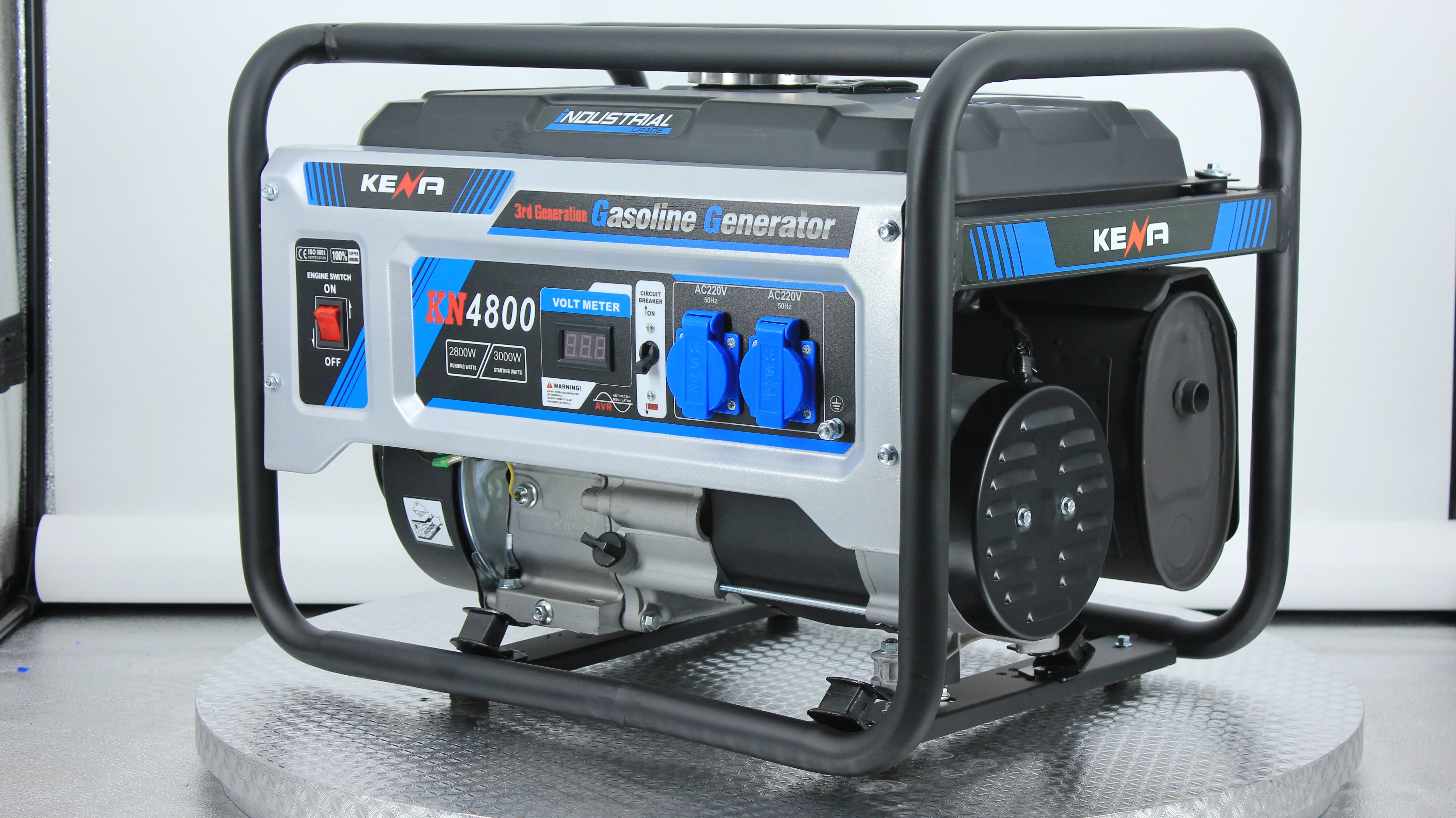
When sourcing generators from China, understanding why factory audits matter is crucial for ensuring reliability and quality. Factory audits serve as a means for buyers to verify the supplier's capabilities and the product's specifications, addressing common concerns such as product quality, compliance with standards, and the potential risks associated with overseas sourcing. This article will explore the significance of factory audits in the context of generator sourcing, along with practical insights into evaluating quality, understanding cost factors, and addressing common problems.
Why Factory Audits Are Essential for Sourcing Reliable Generators
Factory audits are instrumental in mitigating risks when sourcing generator from China. They provide a comprehensive overview of the manufacturing processes, quality control measures, and overall operational capabilities of the supplier. Buyers can assess whether the factory adheres to international standards, like ISO certifications, which are crucial for ensuring product reliability.
Additionally, factory audits help identify potential issues that may not be visible through documentation alone. For instance, inspecting the production line can reveal inconsistencies in machinery or skilled labor that could affect the final product's performance. By visiting the facility, buyers gain firsthand insights into the factory’s workflow, material handling, and quality assurance practices, which ultimately supports a more informed purchasing decision.
How to Evaluate Generator Quality During Supplier Audits in China
Evaluating the quality of generators during a factory audit involves several key steps. First, it’s essential to review the testing protocols in place. This includes checking if the generators are subjected to rigorous performance tests that mimic real-world conditions. For example, power output measurements, fuel efficiency tests, and noise level assessments should be part of the quality evaluation process.
Next, buyers should assess the materials used in production. High-quality generators typically incorporate durable materials that resist wear and tear. During the audit, buyers should inquire about the material specifications and ensure that they align with industry standards. Additionally, reviewing previous test reports and customer feedback can provide insights into the long-term performance of the generators.
Finally, examining the quality control process is vital. Buyers should verify that the factory employs systematic procedures for identifying and addressing defects during production. This could involve checking for a dedicated quality control team and the use of statistical process controls to maintain consistency.
Key Specifications to Consider When Sourcing Generators Wholesale
When sourcing generators wholesale, several specifications should be prioritized to ensure that the product meets the buyer’s requirements. Key specifications include:
Power Output: Buyers must confirm the generator's rated power output (measured in kilowatts or kilovolt-amperes) to ensure it fits the intended application, whether for residential, commercial, or industrial use.
Fuel Type: Gas generators can run on gasoline, diesel, or alternative fuels. Understanding the fuel type is crucial for compatibility with existing infrastructure and for evaluating operational costs.
Size and Weight: The dimensions and weight of the generator affect transportation and installation. Buyers should verify these specifications to avoid logistical issues.
Noise Level: Compliance with local noise regulations is essential, particularly for generators used in urban settings. Buyers should check the decibel ratings to ensure they meet local standards.
Certifications: Confirm that the generators have the necessary certifications, such as CE marking or ISO compliance, which indicates adherence to safety and quality standards.
By focusing on these specifications, buyers can ensure that they select generators that not only meet their operational needs but also comply with regulatory requirements.
Understanding the Cost Factors in Sourcing Generators from China
The cost of sourcing generators from China can vary based on several factors. Understanding these factors is crucial for effective budgeting. Firstly, material costs play a significant role in the overall price of generators. Buyers should consider the quality of materials used and whether they meet the required performance specifications.
Secondly, manufacturing processes can impact costs significantly. Factories that use advanced technology and efficient processes may offer better pricing due to reduced labor and material waste. It’s beneficial to inquire about the production methods employed by the supplier during the audit.
Additionally, shipping and logistics costs must be factored into the total price. Buyers should consider the distance from the factory to the destination port, as well as any potential tariffs or duties that may apply during importation. Understanding the full cost structure, including lead times and minimum order quantities (MOQ), will allow buyers to make more informed purchasing decisions.
Common Problems Faced When Sourcing Generators and Their Solutions
Sourcing generators from overseas can present various challenges. Some common problems include:
Quality Inconsistencies: One of the most prevalent issues is the variation in quality, which may arise due to differing manufacturing standards. To mitigate this, buyers should conduct thorough factory audits and establish clear quality expectations.
Communication Barriers: Language differences can lead to misunderstandings regarding product specifications and requirements. Establishing clear communication channels and using professional translators when necessary can help bridge this gap.
Logistical Delays: Shipping delays can disrupt supply chains, particularly if proper planning isn’t in place. Buyers should work closely with logistics providers to develop a reliable shipping schedule and consider using local warehouses to facilitate quicker access to products.
Compliance Risks: Ensuring that portable gasoline generator meet local regulations is essential. Buyers should conduct due diligence to verify that the products comply with relevant standards and certifications, potentially seeking legal advice to navigate complex regulatory landscapes.
By being aware of these common problems and implementing proactive solutions, buyers can enhance their sourcing strategies and ensure a smoother procurement process.
In summary, understanding the nuances of factory audits, quality evaluation, cost factors, and common challenges in sourcing generators from China can significantly improve a buyer's experience and decision-making process. This knowledge equips them to make informed choices that align with their operational needs while mitigating risks associated with overseas sourcing.
Table of Contents
- Why Factory Audits Are Essential for Sourcing Reliable Generators
- How to Evaluate Generator Quality During Supplier Audits in China
- Key Specifications to Consider When Sourcing Generators Wholesale
- Understanding the Cost Factors in Sourcing Generators from China
- Common Problems Faced When Sourcing Generators and Their Solutions
