
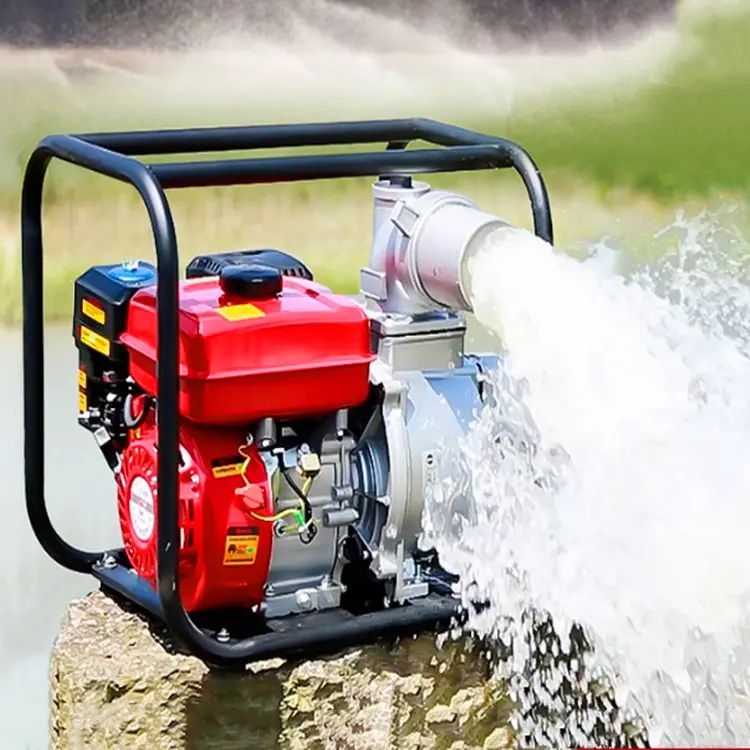
Having a reliable water source is important for everyone, especially for those who live off the grid. A water hand pump is a great solution for homes that are not connected to city water. With a hand pump, you can get water from a well or a nearby stream without needing electricity. This can be very useful in remote areas where power lines are far away. Kena specializes in making durable and efficient water hand pumps. These pumps are easy to use and can provide you with fresh water anytime you need it. Let’s look at how to pick the right hand pump for your home and how to install it properly.
How to Choose the Best Manual Water Hand Pump for Your Home
Choosing the best manual water solution for your home can be tough. There are many options out there, but knowing what to look for helps. First, you must think about where you will get your water from. If you have a well, you’ll need a pump that can reach deep enough. Kena offers various models that can handle different depths. Next, consider the material of the pump. A high pressure water pump made from strong materials lasts longer and works better. Look for pumps that resist rust and corrosion. This is important because water can damage weaker materials over time. Another thing to think about is how easy the pump is to use. Some pumps require more effort than others. If you have kids or elderly family members, you might want a pump that is easy to operate. Comfort matters! You can also check reviews from other users. This gives you an idea of how well the pump works in real-life situations. Finally, think about your budget. Kena offers hand pumps at different price points, so you can find one that fits your needs without breaking the bank.
Step-by-Step Guide to Installing a Manual Water Hand Pump
Installing a water hand pump is not too hard, but it is important to do it right. Start by picking the right spot for your pump. It should be close to your water source but in a place where it won’t get damaged by weather or heavy traffic. After you have chosen a good location, gather your tools. You will need a shovel, some pipes, and the pump itself. If your well is deep, you might also need some extra help from neighbors or friends. Once you have everything, start digging to make a place for the pump. Make sure the area is level. After digging, you will need to connect the pipes to your water source. Kena pumps come with clear instructions that can help you with this. Once the pipes are set, place the pump on top and secure it well. It’s important that it is stable and won’t move when you use it. Finally, test the pump to make sure water flows easily. If it works well, you can cover the area around it with gravel or stones to keep it clean and neat. With proper installation, your hand pump will give you water for many years.
Troubleshooting Your Water Hand Pump
If you have a hand primer pump, sometimes it might not work the way you expect. It can be frustrating, but there are simple steps you can take to fix it. First, check if there is water in the well. If there’s no water, the pump won't work. If you know there should be water, look at the pump itself. Make sure all the parts are put together correctly. Sometimes, loose parts can cause problems. You might need to tighten screws or connectors to make sure everything is secure.
Another common problem is that the pump may feel hard to use. This can happen if the rubber parts inside are worn out. If you notice this, it’s a good idea to check the rubber seals and parts. If they look old or damaged, replacing them can help the pump work better. If your pump is still not working, it could be air trapped inside. You can fix this by priming the pump. To do this, you need to add water to the pump itself. Open the top and pour some water in, then try pumping again. This helps push the air out and can make it easier to get water.
If you try all these things and the pump still doesn’t work, you might want to call a professional. They have more tools and knowledge to help fix your pump. Remember, keeping your hand pump in good shape is important. Regular checks and fixing small problems can help it last a long time. Kena is here to help you with all your water hand pump needs, so don't hesitate to reach out for support.
How to Maintain Your Water Hand Pump for Long-Term Reliability
Taking care of your water hand pump for home is very important if you want it to work for a long time. One of the best ways to keep your pump running smoothly is to clean it regularly. Dust, dirt, and other small particles can get stuck in the pump. To avoid this, you should clean the outside of the pump and check inside for any debris. You can use a soft cloth to wipe it down and make sure all the parts are clear.
Another important part of maintenance is checking the seals and rubber parts. These parts can wear out over time. If you notice cracks or if the rubber feels hard, it’s time to replace them. You can find replacement parts easily, and Kena can help you if you need assistance. Changing these parts will help prevent leaks and keep the pump working well.
It’s also a good idea to keep an eye on the pump’s connections. Make sure everything is tight and not rusty. If you find any rusty areas, you can clean them with a wire brush and then paint them with rust-resistant paint. This will help protect the pump from damage.
Finally, during the winter, it’s important to protect your pump from freezing temperatures. If you live in a cold area, consider draining the pump and storing it indoors during the winter months. This will help prevent any damage from ice. By taking these simple steps, you can ensure that your Kena water hand pump remains reliable for many years.
What Are the Environmental Advantages of Using a Manual Water Pump?
Using a manual water pump, like the ones offered by Kena, has many benefits for the environment. First of all, these pumps do not use electricity. This means they don’t require energy from power plants, which can produce pollution. By using a hand pump, you help reduce the need for electricity, and that’s good for our planet.
Another advantage is that manual water pumps use less water than electric pumps. They are designed to be efficient, meaning you can get the water you need without wasting any. This efficiency helps protect our water resources. When we use less water, we help keep rivers, lakes, and streams healthy.
Also, by using a hand pump diesel, you are choosing a sustainable option. Manual pumps can last a long time with proper care. This means you won’t have to replace them often, which reduces waste. In a world where we are trying to cut down on plastic and other materials in landfills, using a durable hand pump is a smart choice.
Lastly, when you use a manual water pump, you rely on your own strength and effort. This can make you feel more connected to the environment and the resources you use. It encourages a lifestyle that values nature and the importance of water. Choosing a Kena water hand pump is not just a practical decision; it’s also a choice that helps protect our planet for future generations.
