
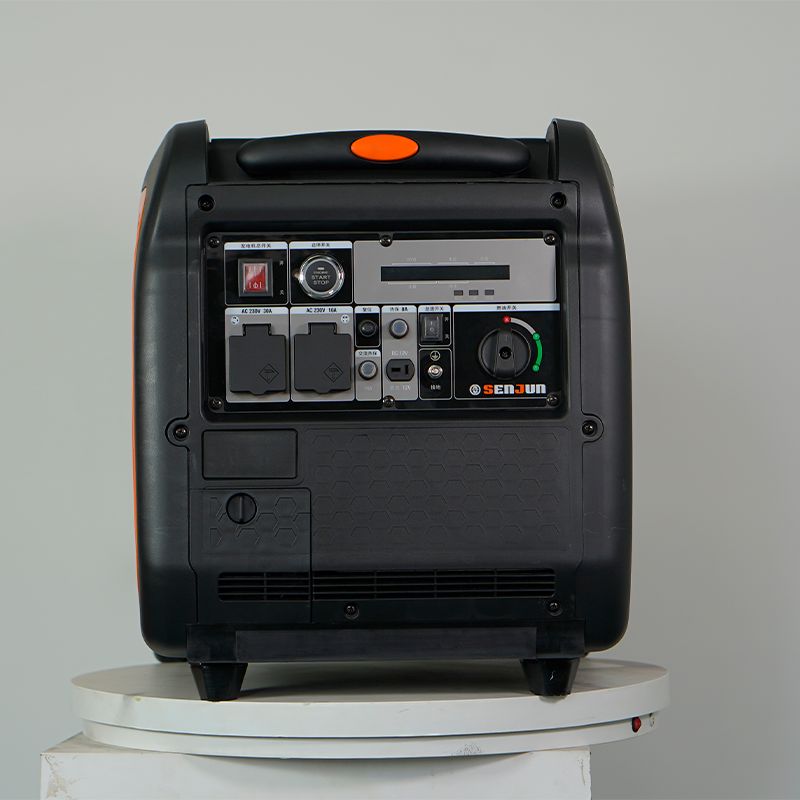
Large gas generators are crucial for providing industrial-scale power in various commercial applications, ensuring reliability and efficiency in energy supply. As a purchasing manager, distributor, or engineer, you may have concerns regarding specifications, costs, and suitable suppliers. This article aims to clarify key specifications to evaluate in large gas generators, offer tips for wholesale purchasing, shed light on cost factors, compare gas generators to alternative power sources, and explore their applications across different industries.
Key Specifications to Evaluate in Industrial-Scale Gas Generators
When selecting a large gas generator, several key specifications must be considered to ensure it meets your operational needs.
Power Output: This is typically measured in kilowatts (kW) or megawatts (MW). It indicates the maximum load the generator can handle. Ensure you choose a generator with sufficient capacity for your specific application to avoid overloading.
Fuel Type: Gas generators can run on natural gas or propane. The choice of fuel influences not only operational costs but also the generator's emissions profile. For example, natural gas is often more cost-effective and environmentally friendly compared to diesel.
Efficiency Rating: The efficiency of a generator affects fuel consumption and operating costs. Look for models that provide high efficiency, especially for high-demand applications, to reduce overall expenditure.
Noise Levels: In commercial settings, noise pollution can be a concern. Review the generator’s decibel rating to ensure it complies with local regulations or meets the operational environment's noise tolerance.
Control Systems: Modern generators often come with advanced control systems that allow for remote monitoring and management. This feature can enhance operational efficiency and facilitate timely maintenance.
Durability and Build Quality: Evaluate the materials used in the generator’s construction. Robust materials can lead to longer service life and lower maintenance costs.
By considering these specifications, you can ensure that you choose a generator that not only meets your power needs but also aligns with your operational constraints.
Wholesale Purchasing Tips for Reliable Gas Generator Suppliers
Selecting a trustworthy supplier for large gas generators is critical to ensuring consistent performance and reliability. Here are some tips to guide your purchasing process:
Verify Certifications: Check that the manufacturer holds relevant certifications such as CE and ISO. These certifications indicate that the manufacturer follows international quality standards.
Assess Production Capabilities: Understand the supplier's manufacturing process. A supplier like Chongqing Kena Electromechanical Co., Ltd. combines advanced technology with skilled craftsmanship, which is essential for producing high-quality generators.
Request References: Ask for references from other customers who have purchased similar products. Positive testimonials can provide insights into the supplier's reliability and customer service.
Evaluate Customization Options: Determine if the supplier can customize generators to meet specific operational needs. Customization can include modifications in size, power output, or additional features.
Discuss MOQ and Lead Times: Understand the supplier’s minimum order quantity (MOQ) and lead times for production and delivery. This knowledge can help you plan your procurement strategy effectively.
Check After-Sales Support: Ensure that the supplier offers robust after-sales support, including warranty terms and maintenance services. This can significantly impact the total cost of ownership.
By following these tips, you can enhance your chances of finding a reliable supplier that meets your operational needs.
Understanding the Cost Factors of Large Gas Generators
Cost considerations are paramount when investing in large gas generator. Several factors can influence the overall price:
Initial Purchase Price: The upfront cost is often the first consideration. Prices can vary based on the power output, brand, and additional features.
Fuel Costs: The type of fuel used directly impacts operational costs. Natural gas prices fluctuate based on market conditions, while diesel can be more expensive and less environmentally friendly.
Maintenance Costs: Regular maintenance is essential to ensure optimal performance. Factor in costs for routine checks, parts replacements, and potential repairs over the generator’s lifespan.
Installation Costs: Depending on the complexity of the installation, costs can vary. Ensure you account for any necessary infrastructure, such as fuel lines or electrical connections.
Operational Efficiency: Generators with higher efficiency ratings may have a higher purchase price but can lead to significant savings in fuel costs over time.
Depreciation and Resale Value: Consider the generator's potential resale value. Models from reputable manufacturers often retain value better than others.
Understanding these cost factors will help you budget effectively and make an informed purchasing decision.
Gas Generators vs. Alternative Power Sources
When considering energy solutions, it's essential to compare gas generators with alternative power sources:
Diesel Generators: While diesel generators are known for their durability, they often have higher emissions and fuel costs compared to gas generators. Additionally, they may require more maintenance due to the complexity of diesel engines.
Renewable Energy Sources: Solar and wind energy are becoming increasingly popular; however, they often require significant upfront investment and may not provide consistent power without complementary storage solutions. Gas generators can serve as a reliable backup.
Battery Systems: While battery-powered systems are ideal for short-term power needs, their capacity is limited. Gas generators can provide uninterrupted power for extended periods, making them suitable for industrial applications.
Grid Power: Relying solely on grid power can be risky, particularly in areas with frequent outages. Gas generators offer backup solutions that ensure business continuity.
Each power source has its advantages and limitations. Evaluating your specific application requirements will help you determine the best solution.
Applications of Large Gas Generators in Various Industries
Large gas generators serve a myriad of applications across different sectors, demonstrating their versatility:
Manufacturing: In manufacturing settings, gas generators can provide backup power during outages, ensuring uninterrupted production lines. They can also be used for peak shaving, reducing energy costs during high-demand periods.
Construction: Construction sites often require substantial power for machinery and tools. Gas generators offer a portable and reliable power source, especially in remote locations.
Healthcare: Hospitals and healthcare facilities rely on continuous power supply for critical operations. Gas generators ensure that essential services remain functional during grid failures.
Telecommunications: Data centers and telecommunications facilities require constant power to maintain operations and avoid data loss. Generator provide a reliable backup solution.
Events and Entertainment: Large gatherings and events often rely on gas generators for lighting, sound systems, and other equipment. Their portability and power capacity make them ideal for such applications.
Understanding how large gas generators can be applied across various industries can guide your purchasing decision and help you identify specific needs for your operation.
By considering these insights into large gas generators, you can make informed decisions that align with your operational requirements and budget constraints.
