
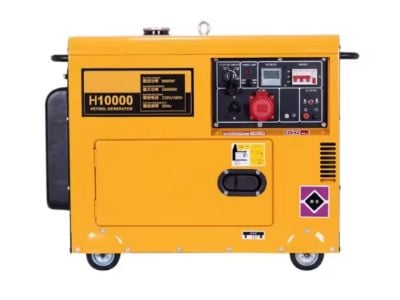
Choosing the right generator for remote locations is crucial for ensuring reliable off-grid power solutions tailored for isolated sites. This article discusses key considerations for selecting off-grid power generators, evaluates quality factors, and provides installation guidance to help purchasing managers, engineers, and product managers make informed decisions. With practical insights into common problems and their solutions, this guide aims to enhance your understanding of how to effectively utilize generators in remote applications.
What to Consider When Choosing Off-Grid Power Generators
When selecting an off-grid power generator, several critical factors must be considered to ensure it meets the specific needs of remote locations.
Power Requirements: Determine the total wattage needed to support all devices and appliances. This includes peak power demands that may occur when starting motors or high-wattage equipment.
Fuel Type: Off-grid generators typically operate on gasoline, diesel, or propane. Gasoline generator are often lighter and more portable, while diesel generators tend to be more fuel-efficient and have a longer lifespan, making them suitable for continuous use.
Portability and Size: Depending on the installation location, the weight and size of the generator can be significant. Consider whether the generator will need to be moved frequently or if it will remain stationary for extended periods.
Noise Levels: In remote settings, noise can be a concern. Look for models designed for quiet operation to minimize disruption to wildlife and nearby inhabitants.
Durability and Weather Resistance: Generators used in isolated locations must withstand harsh environmental conditions. Look for models with robust construction, corrosion-resistant materials, and weatherproofing features.
Maintenance and Support: Evaluate the manufacturer's reputation for service and support. Easy access to replacement parts and technical assistance is vital for minimizing downtime.
By carefully evaluating these factors, buyers can select generators that not only meet their power needs but also perform reliably in remote environments.
How to Evaluate the Quality of Off-Grid Generators
Quality assessment of off-grid generators is essential to ensure reliability and performance. Here are key aspects to evaluate:
Certifications: Look for generators that are CE and ISO certified, which indicate compliance with international safety and quality standards. These certifications provide assurance of the manufacturer’s commitment to quality.
Build Quality: Inspect the materials used in the generator's construction. High-quality metals and components will enhance durability and longevity. Additionally, check for features like heavy-duty frames and quality insulation.
Performance Specifications: Review the generator's specifications, including its rated and peak power output, fuel consumption rates, and operational efficiency. Ensure these align with your specific energy needs.
Testing and Quality Control: Understand the manufacturer’s quality control processes. Reliable manufacturers conduct rigorous testing on their generators before they reach the market. This includes load testing, durability assessments, and safety checks.
User Reviews and Experiences: Research user feedback and testimonials to gauge real-world performance. Reviews can highlight common issues, maintenance needs, and overall satisfaction.
Warranty and Support: A robust warranty indicates the manufacturer’s confidence in their product. Look for warranties that cover parts and labor for a significant period. This can provide peace of mind regarding long-term investment.
By considering these quality indicators, buyers can make informed decisions and select off-grid generators that will operate efficiently in isolated environments.
A Complete Overview
Chongqing Kena Electromechanical Co., Ltd. specializes in manufacturing high-quality gasoline and diesel generators designed for diverse applications, including off-grid power solutions for remote locations. Our generator are characterized by advanced technology and skilled craftsmanship, ensuring reliability and efficiency.
The range includes various models tailored for specific power requirements and applications. Each generator undergoes stringent quality control measures to meet CE and ISO certifications, ensuring they are built to withstand the rigors of remote use.
Buyers can expect customization options to fit unique needs, along with a variety of fuel types and power outputs. With a focus on durability and performance, our generators offer exceptional value for industries ranging from construction to emergency backup power in remote settings.
Installation Guidance for Remote Site Generator Systems
Installing a generator in a remote location requires careful planning and execution. Here are essential steps to ensure a successful installation:
Site Assessment: Evaluate the installation site for accessibility, ventilation, and environmental factors. Ensure the chosen location has adequate space for the generator and any additional equipment, while also allowing for safe fuel storage.
Foundation and Mounting: A stable foundation is crucial for generator operation. Depending on the generator size, consider a concrete pad or a properly leveled surface to minimize vibrations and noise.
Electrical Connections: Ensure all electrical work is compliant with local codes. Use qualified electricians to connect the generator to your power system, including transfer switches and circuit breakers for safety.
Fuel Supply Setup: For diesel or gasoline generators, ensure that the fuel supply system is installed correctly, with necessary safety measures in place to prevent leaks or spills.
Ventilation: Proper ventilation is essential to prevent overheating and to remove exhaust gases. Install the generator in a well-ventilated area, and consider using exhaust fans if the generator is housed in an enclosed space.
Testing and Commissioning: Once installed, conduct a thorough test of the generator system to ensure all components function correctly. Check for proper voltage output, fuel efficiency, and noise levels.
By following these guidelines, buyers can ensure their generator installation is efficient, safe, and ready to provide reliable power in remote locations.
Common Problems with Off-Grid Generators and Their Solutions
Understanding common issues associated with off-grid generators can help prevent downtime and ensure reliable operation. Here are several problems and their solutions:
Fuel Quality Issues: Poor fuel quality can lead to generator performance problems. Users should store fuel properly and use fuel stabilizers to prevent degradation. Regularly check the fuel system for contaminants.
Battery Failures: Many off grid diesel generator rely on batteries for startup. Ensure batteries are of high quality and maintained regularly. Consider investing in deep-cycle batteries designed for repeated discharge and recharge.
Overloading: Running a generator beyond its capacity can lead to overheating and damage. Ensure that the total load does not exceed the generator's rated output. Use a power meter to monitor usage.
Maintenance Neglect: Regular maintenance is crucial for optimal performance. Create a maintenance schedule that includes oil changes, filter replacements, and inspections of electrical connections and fuel systems.
Environmental Factors: Extreme weather conditions can affect generator operation. Ensure the generator is protected from elements such as rain, snow, and extreme temperatures. Use shelters or enclosures designed for generator installations.
By being aware of these common issues and implementing preventive measures, buyers can enhance the reliability of their off-grid generators and ensure continuous power supply in remote locations.
