
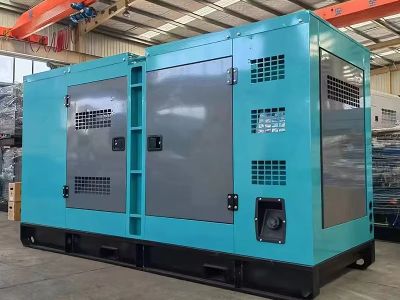
Gas Turbine Generators vs. Piston Generators Efficiency, Maintenance, and Performance
Gas turbine generators and piston generators are two important types of machines used to produce electrical power. Both have unique features, advantages, and limitations, making them suitable for different applications. These generators can provide energy for homes, businesses, factories, construction sites, and other industrial operations. Kena offers both types of generators, giving buyers more choices based on their power requirements, budget, and operating conditions. Understanding how gas turbine generators and piston generators compare can help buyers make a more informed decision.
What Common Usage Issues Do Buyers Face with Gas Turbine and Piston Generators?
When purchasing generators, buyers may face several challenges that can make the decision more complicated. Gas turbine generators are often more expensive to purchase and maintain than piston generators. Their installation may also require more space, specialized equipment, and suitable connections. If the installation area does not have enough room or the required infrastructure, the generator may not operate efficiently.
Piston generators can be easier to install in smaller areas, but they also have their own limitations. Depending on the application, they may produce more noise and may not offer the same efficiency as gas turbine generators during certain operating conditions. This can be an important consideration for businesses that require quiet operation or continuous power.
Fuel availability is another factor. Gas turbine generators generally require suitable gaseous or liquid fuels, depending on their design. If the required fuel is difficult to obtain, operating the generator can become more challenging. Piston generators may offer more fuel flexibility, but their power output and efficiency can vary depending on the engine design and workload. Reliability is also a major concern for buyers. Both types of generators require regular maintenance to operate properly. gas turbine generator can experience problems with components such as turbine blades and other high-temperature parts if they are not properly maintained. Piston generators can experience normal engine wear from continuous operation. Buyers should therefore consider maintenance requirements, operating conditions, available technical support, and expected workload before choosing a generator.
How to Choose Between Gas Turbine and Piston Generators for Optimal Efficiency?
Choosing between gas turbine generators and piston generators starts with understanding the intended application. Buyers should consider power requirements, operating hours, available space, fuel supply, noise levels, maintenance needs, and long-term operating costs.
For large factories, industrial facilities, power plants, and operations that require substantial amounts of electricity, gas turbine generators can be an attractive option. They are designed for high-power applications and can perform efficiently under suitable operating conditions. Their higher initial cost may be justified when the generator is used extensively and fuel efficiency becomes an important part of the overall operating budget.
Piston generators can be a practical choice for smaller businesses, construction sites, backup power systems, and applications that require moderate power. Their relatively simple mechanical design can make them easier to maintain and repair. They can also be suitable when installation space is limited.
Noise is another factor worth considering. Depending on the specific equipment and installation, gas turbine generators can offer quieter operation than some piston-based systems. However, actual sound levels depend on the generator model, enclosure, load, and surrounding environment. Buyers should also compare the total cost of ownership rather than focusing only on the initial purchase price. A generator portable gas may require a larger investment at the beginning, while a piston generator may have lower upfront costs. However, fuel consumption, maintenance, replacement parts, operating hours, and service requirements can significantly affect long-term expenses. Kena provides both gas turbine and piston generator options, allowing buyers to consider different solutions according to their power requirements and budget. Comparing these factors before purchasing can help businesses select equipment that provides dependable performance and suitable efficiency.
How Do Maintenance Costs Compare Between Gas Turbine and Piston Generators?
Maintenance costs are an important consideration when comparing gas turbine generators and piston generators. Each system has different components, service requirements, and maintenance schedules. Gas turbine generators can require specialized maintenance because they operate under high temperatures and involve precision components. Turbine blades and other internal parts can experience wear over time, particularly when the generator operates for long periods or under demanding conditions. Inspection, cleaning, component replacement, and specialized technical services can contribute to higher maintenance expenses.
Piston generators generally have a simpler mechanical structure. They use components such as pistons, cylinders, valves, lubricating systems, and other engine parts that require routine inspection and servicing. Common maintenance tasks can include oil changes, filter replacement, cooling-system checks, and inspection of moving components. Because many technicians are familiar with piston engines, repairs can sometimes be easier and less expensive.
However, maintenance costs depend heavily on how the generator is used. A piston generator that operates continuously under heavy loads can experience significant wear, while a properly maintained can provide dependable service over an extended operating period.
For this reason, buyers should not choose equipment based solely on maintenance cost. They should consider the generator's expected operating hours, load requirements, fuel efficiency, service availability, replacement-part costs, and maintenance schedule. Kena can help buyers understand these factors so they can select a generator that matches their operational requirements and budget.
Where Can Wholesale Buyers Find Reliable Information on Gas Turbine Efficiency and Generator Performance?
Wholesale buyers need accurate information before purchasing generators in large quantities. One useful source is industry research and technical reports. These resources can provide information about generator efficiency, fuel consumption, operating conditions, and performance under different loads.
Manufacturers are another important source of information. Companies such as Kena can provide product specifications and technical details that help buyers compare different generator options. Buyers should examine information such as rated output, fuel requirements, efficiency, operating limits, maintenance intervals, and expected service requirements. Trade shows and industry conferences can also be useful. These events allow buyers to learn about new generator technologies, compare different products, and speak directly with manufacturers and technical professionals. Demonstrations can also help buyers understand how different generator systems operate.
Online industry communities and professional groups can provide additional insights. Users may share their experiences with different generator types, including information about operation, maintenance, and common challenges. However, buyers should verify important technical claims through reliable manufacturers and professional sources before making purchasing decisions. Gathering information from several sources allows wholesale buyers to make better comparisons. Instead of focusing only on purchase price, they can evaluate efficiency, durability, maintenance requirements, fuel consumption, and long-term performance. This approach can help businesses choose generator systems that provide dependable power while controlling operating expenses. Finally, maximizing generator performance requires proper operation and regular maintenance. gas turbine generator for sale should be inspected regularly, with attention given to air filters, fuel quality, cooling systems, and other important components. Keeping the system clean and addressing small problems early can help prevent larger failures.
Piston generators also require consistent maintenance. Regular oil changes, filter replacement, cooling-system checks, and inspections can help reduce wear and support reliable operation. Operators should also avoid running either generator beyond its recommended limits. Overloading can increase stress on components and shorten equipment life.
Kena provides generator solutions and resources that can help users understand proper operation and maintenance. By following recommended service schedules, using suitable fuel and lubricants, and operating generators within their specified limits, users can improve performance and extend equipment life. Choosing the right generator and maintaining it correctly can help businesses receive reliable power while making better use of their investment.
Table of Contents
- What Common Usage Issues Do Buyers Face with Gas Turbine and Piston Generators?
- How to Choose Between Gas Turbine and Piston Generators for Optimal Efficiency?
- How Do Maintenance Costs Compare Between Gas Turbine and Piston Generators?
- Where Can Wholesale Buyers Find Reliable Information on Gas Turbine Efficiency and Generator Performance?
