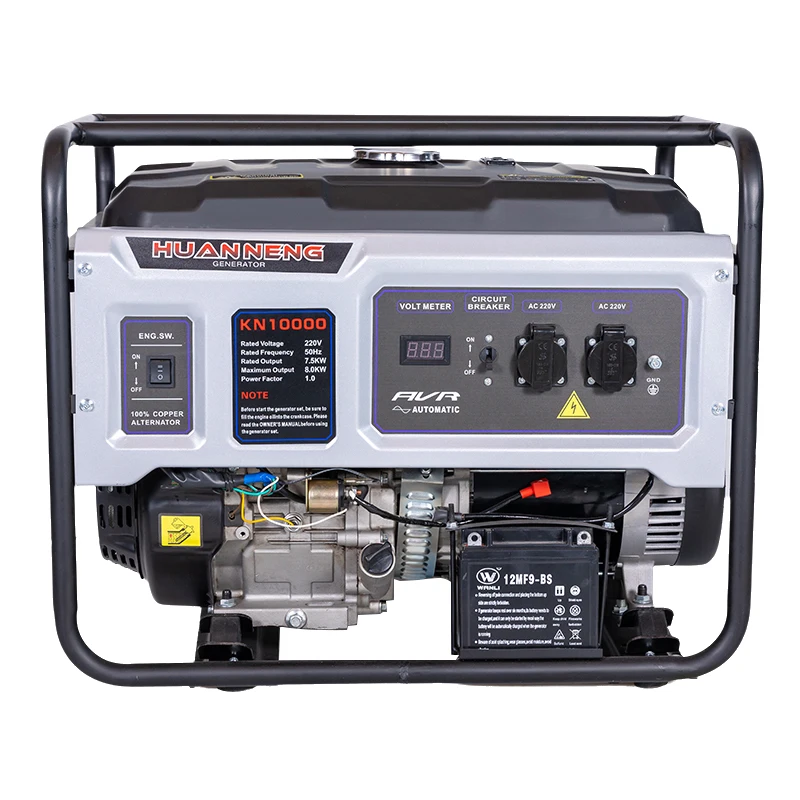
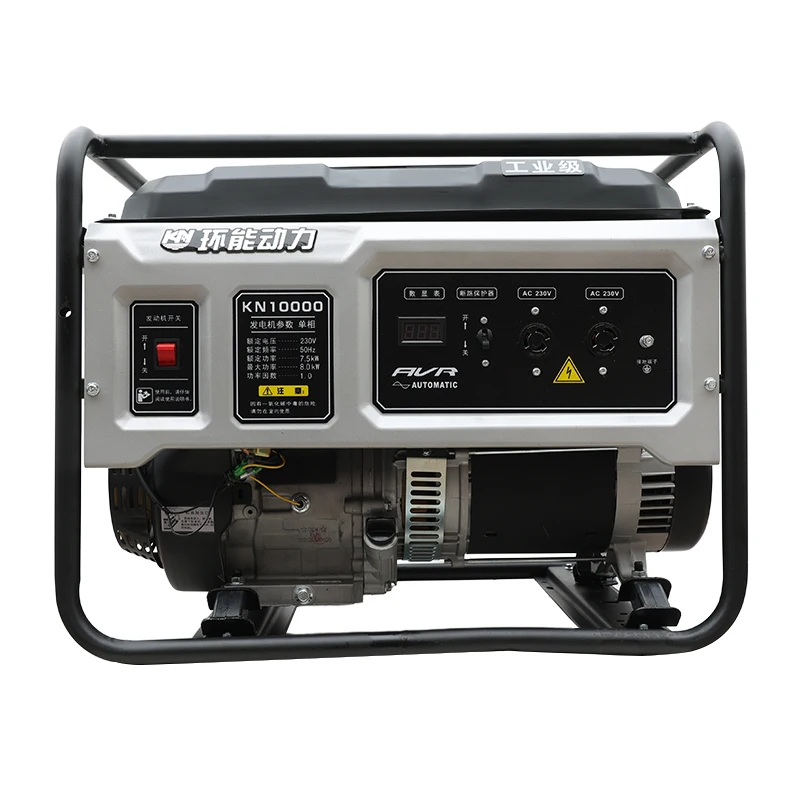
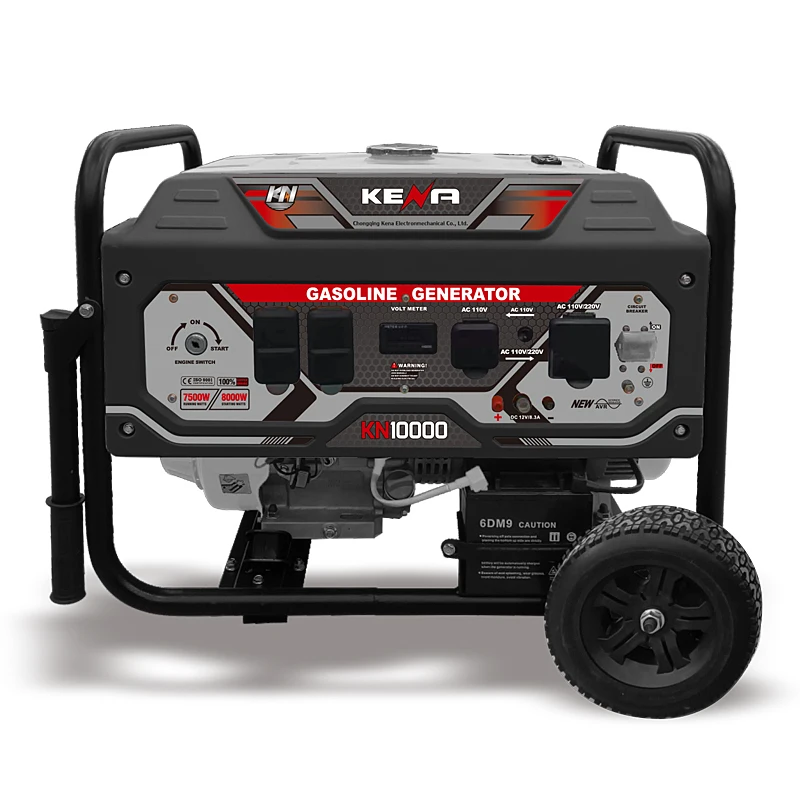
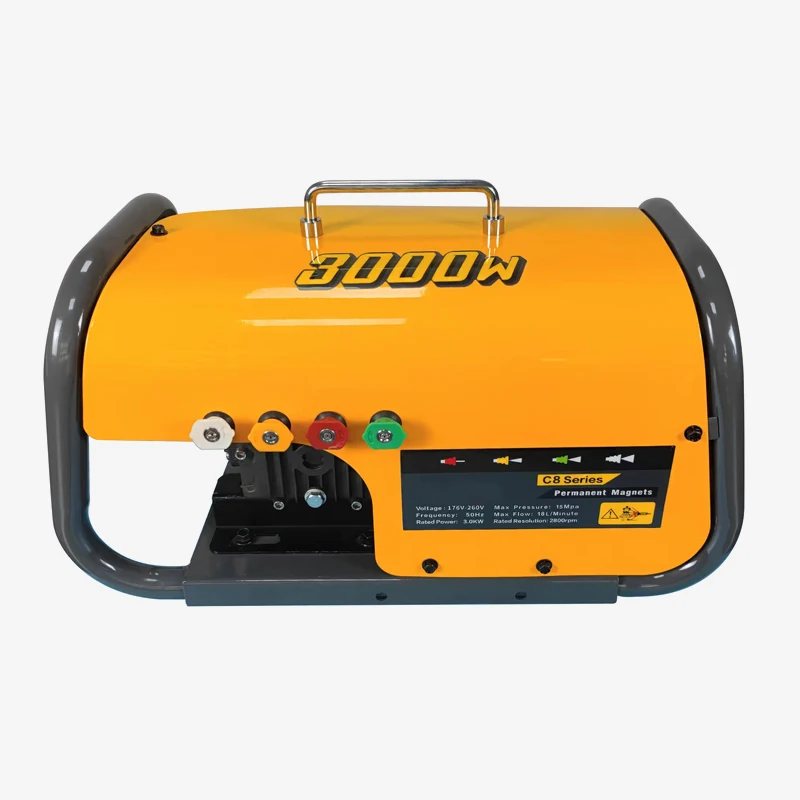
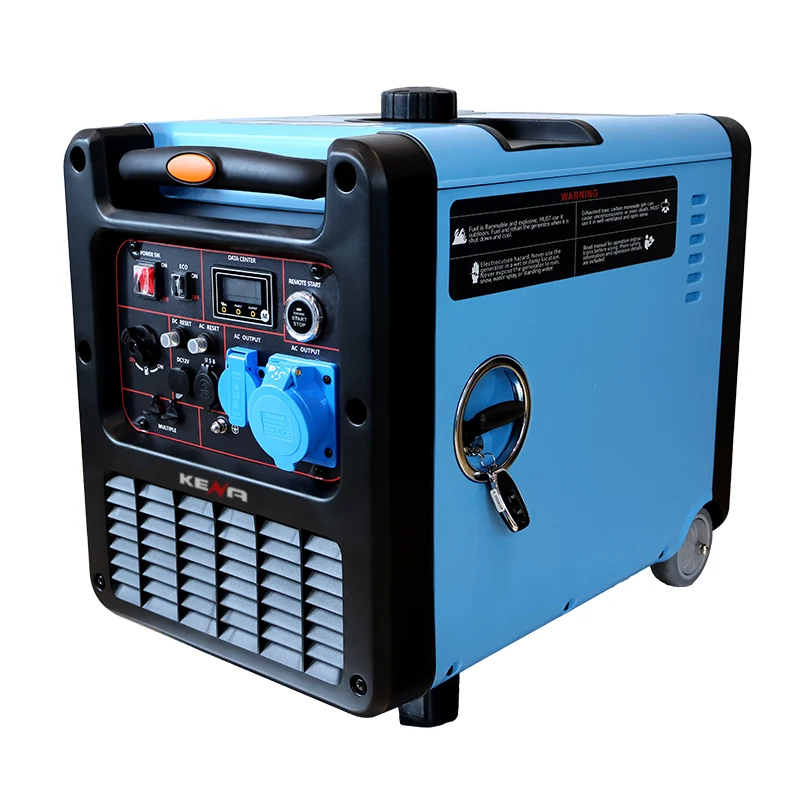
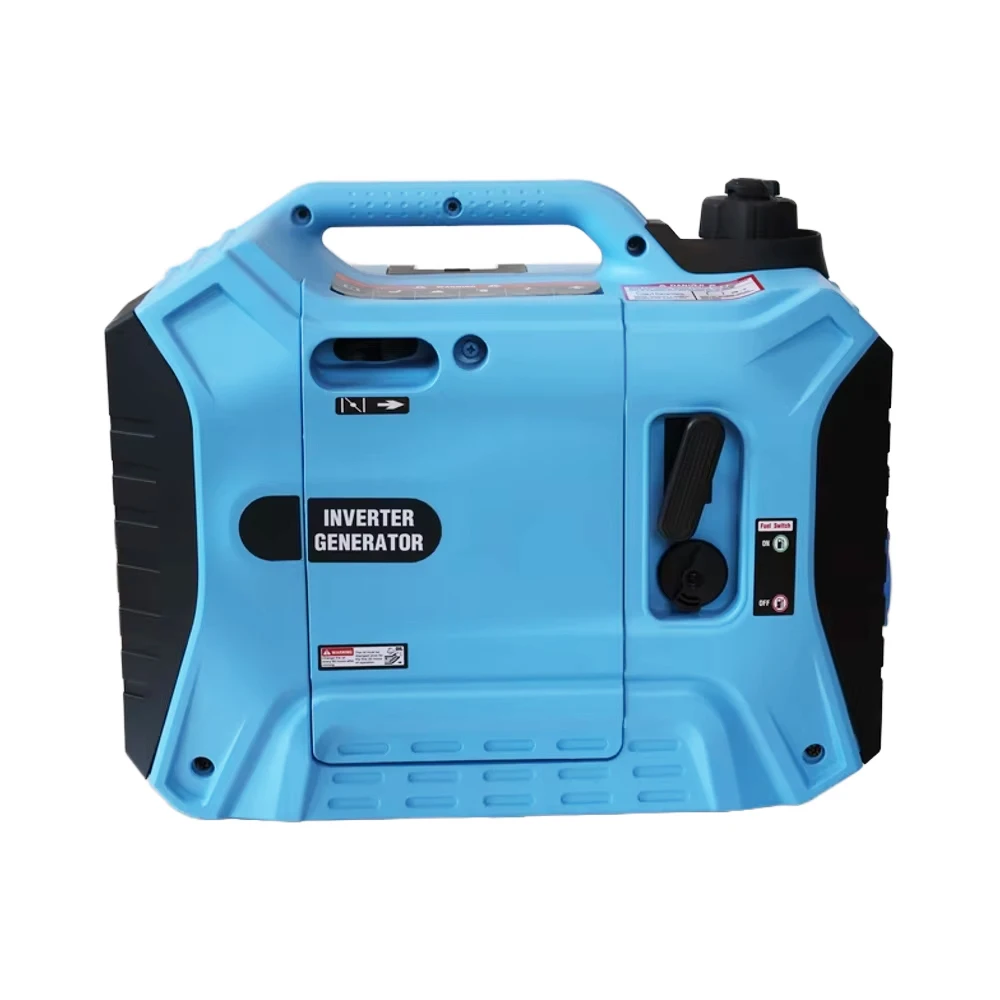
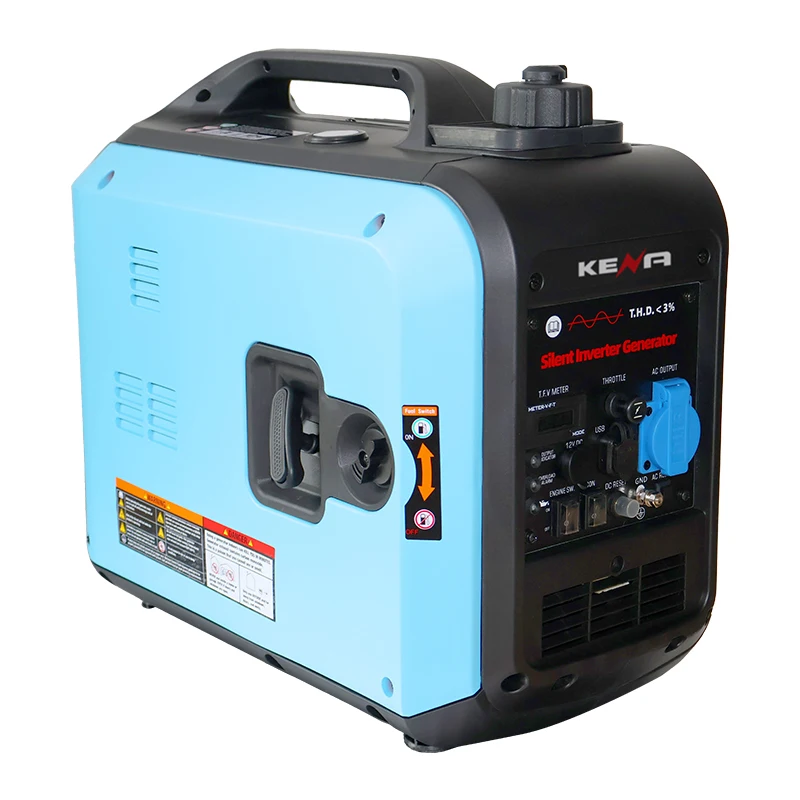
Gas, Propane Generator (Kena’s) If you’re interested in finding an option for keeping the lights on in the event that the power goes out, you may be interested in a gas and propane generator available from Kena. These useful devices allow you to generate electricity for your home or yard when there is no power available. We’ll talk about the advantages of a gas and propane option as a portable generator, how it functions, picking the best one for your needs and some maintenance and troubleshooting that you should know.
There are many advantages to choosing a gas and propane generator. For one, their operators can count on them for a steady supply of power in emergencies, such as when it’s stormy outside or there’s a blackout. That’s so you can keep your lights on, your food cold, and your devices charged. Gas and propane generators are also portable, so you can bring them on camping trips or use them in areas where there’s no electric utility access.
Gas and propane generators operate by burning fuel to produce mechanical energy, which is subsequently transformed into electrical energy. Gas generators use gasoline, and propane generators use propane gas. The fuel is pumped into the engine of the generator, and a small explosion is created by a spark plug. This explosion raises and lowers a piston, producing electricity. The electricity is then transmitted to receptacles where you can plug in appliances and devices.
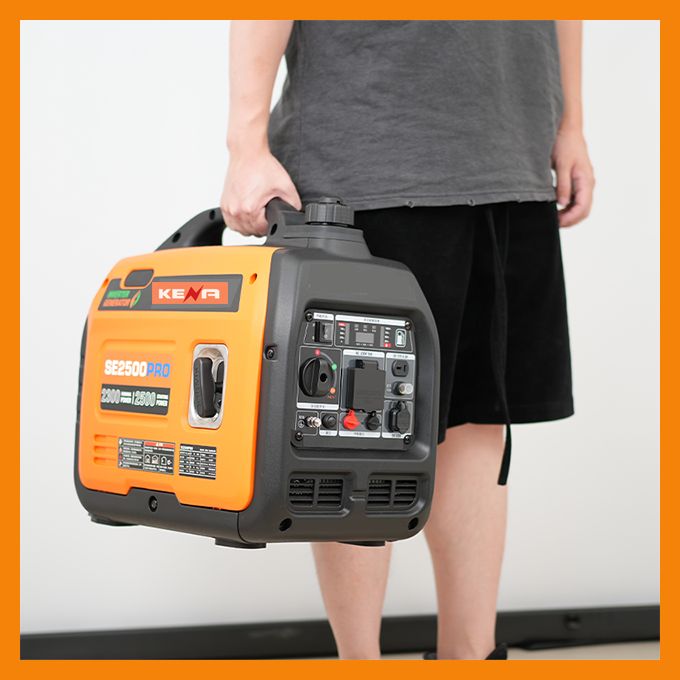
There are a couple things you’ll want to take into account when selecting the gas and propane generator that’s right for you. First and foremost, you will need to figure out how much power you need. That depends on the devices and appliances that you’d like to run during an outage. Also, think about the generator’s runtime, which is the amount of time it can generate electricity on a full tank of gas. Also consider the generator’s noise rating, particularly if you intend to run it at a residence.
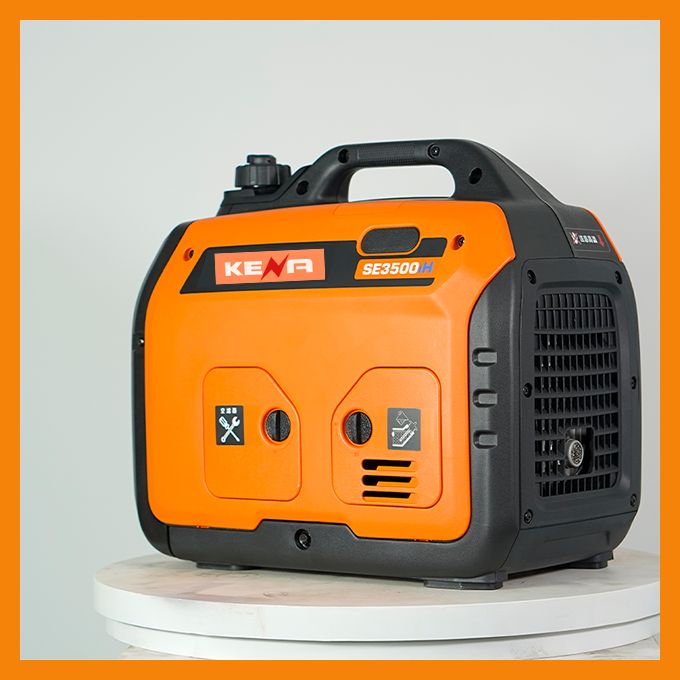
So, what’s better – gas or propane generators? It depends what you wish to do with it. Gas generators are more popular, and sometimes easier to refuel, since gas is available at virtually all gas stations. But propane generators generally can last for a period and emit less harmful gasses. At the end of the day, the decision between a gas or propane generator really boils down to personal preference and convenience.
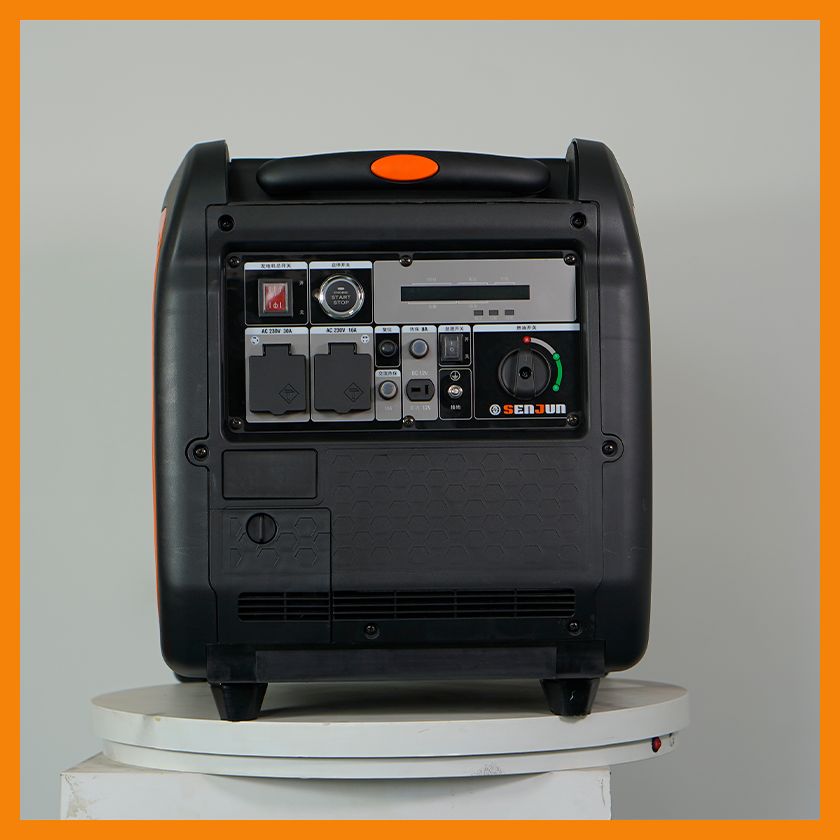
Taking care of and DIY for your gas and propane generator is important to keep it working properly when you need it. Routine maintenance simply entails changing the oil, spark plugs and air filter, checking for leaks and making sure the fuel is fresh. If your generator is not running properly, there are a few troubleshooting steps that you can take, such as checking the fuel supply, spark plug, and battery.
We have a strong focus on research and gas and propane generator, and we constantly look for innovative solutions and technologies. Our R D department is creative and professional. They are constantly monitoring developments in the field, and incorporate advanced ideas in the process of developing products. This enables our products to always be at the technological leading edge and better adjust to market trends and the ever-changing needs of customers.
we offer a wide range of products that include gasoline diesel variable-frequency silent generators as well as gas and propane generator and pumps each product is carefully constructed and tested to ensure top performance the silent generator with variable frequency for example is extremely quiet during operation and provides users with a comfortable and quiet environment our diesel and gasoline generators are also efficient and stable output customers have more options with different types of products that can be tailored to meet their specific requirements
as a generator manufacturer with 15 years of experience we have built up a vast professional knowledge and experience in the industry we have spent the last gas and propane generator working on research and development enhancing processes and aiming for excellence throughout the production process this long-term precipitation enables us to understand the demands and requirements of our customers and to create products that are line with practical applications our stable and professional team ensures the consistency and reliability of the product's quality
If they purchase our products, our customers can benefit from a comprehensive after-sales service. Our highly trained team of after-sales specialists is always ready to assist customers in any issue. We offer prompt and reliable assistance regardless of whether it's gas and propane generator of products, training, or troubleshooting. We want our customers to enjoy using their products without worry.

Copyright © Chongqing Kena Electronmechanical Co.,Ltd. All Rights Reserved | Privacy Policy | Blog